Blockchain technology, often hailed as the "trust machine," has transcended its origins in cryptoc
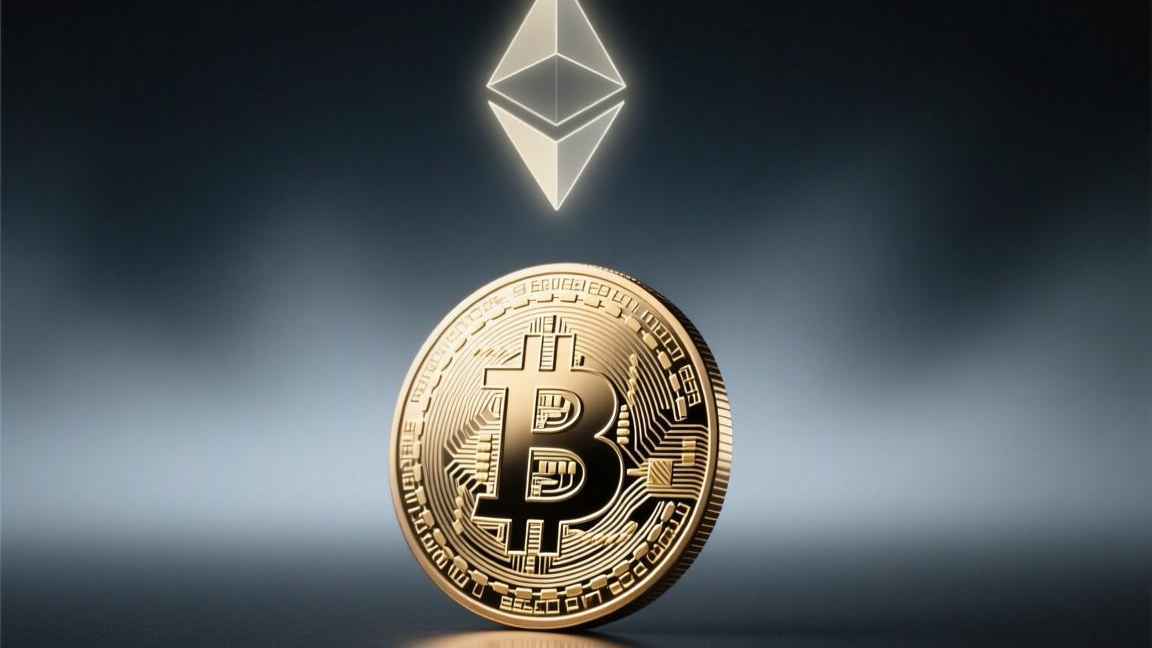
Cryptocurrency: Bitcoin (BTC) and Ethereum (ETH)
The most iconic blockchain application remains cryptocurrency, with Bitcoin and Ethereum leading the charge. Bitcoin, launched in 2009 by the pseudonymous Satoshi Nakamoto, was the first decentralized digital currency (or "digital gold") to enable peer-to-peer transactions without intermediaries like banks. Its blockchain—a public, distributed ledger—records all transactions in "blocks," linked cryptographically to prevent fraud. Ethereum, introduced in 2015 by Vitalik Buterin, expanded blockchain’s utility beyond currency with "smart contracts"—self-executing contracts with terms directly written into code. These innovations laid the foundation for decentralized finance (DeFi) and non-fungible tokens (NFTs), making cryptocurrency a cornerstone of modern blockchain applications.
Supply Chain Management: IBM Food Trust
Supply chains are complex, involving multiple stakeholders (producers, suppliers, distributors, retailers) and prone to inefficiencies like lack of transparency and counterfeit goods. IBM Food Trust, built on blockchain, addresses these issues by end-to-end traceability. Each step—from farm to fork—is recorded as an immutable "transaction" on the blockchain, allowing participants to track products (e.g., coffee, mangoes) in real time. For example, Walmart uses this system to trace food origins, reducing contamination risks and recall times by days. Key terms here include "immutable ledger," "traceability," and "supply chain transparency," highlighting how blockchain enhances trust and efficiency in global trade.
Decentralized Finance (DeFi): Uniswap and Aave
DeFi represents a paradigm shift in traditional finance, replacing banks and brokers with blockchain-based protocols. Uniswap, a decentralized exchange (DEX), exemplifies this by enabling users to trade cryptocurrencies directly from their digital wallets ("self-custody") without a central authority. It uses an "automated market maker (AMM)" model—smart contracts that liquidity pools—to facilitate trades. Similarly, Aave, a "lending protocol," allows users to lend or borrow assets (e.g., stablecoins like USDC) algorithmically, earning interest or accessing loans without paperwork. DeFi applications leverage terms like "yield farming," "liquidity mining," and "smart contract audits," showcasing how blockchain democratizes financial services.
Non-Fungible Tokens (NFTs): CryptoPunks and Bored Ape Yacht Club (BAYC)
NFTs are unique digital assets verified on blockchain, representing ownership of items like art, collectibles, or virtual real estate. CryptoPunks, launched in 2017 by Larva Labs, were among the first NFTs—10,000 pixelated "characters" stored on the Ethereum blockchain, each with distinct traits. They became a cultural phenomenon, with some selling for millions of dollars. Bored Ape Yacht Club (BAYC), launched in 2021, further popularized NFTs by offering "membership" benefits (e.g., access to exclusive events) alongside digital art. NFTs rely on concepts like "provenance" (ownership history) and "tokenization" (converting real-world assets into digital tokens), demonstrating blockchain’s role in valuing digital creativity.
Healthcare: MedRec
In healthcare, patient data is often siloed across hospitals, leading to inefficiencies and privacy risks. MedRec, a blockchain-based project by MIT, addresses this by creating a decentralized electronic health record (EHR) system. Patient data is encrypted and stored on the blockchain, with patients granting "access permissions" to healthcare providers via smart contracts. This ensures data integrity (no unauthorized tampering) and interoperability (seamless sharing between institutions). Terms like "data privacy," "interoperability," and "consensus mechanisms" (e.g., proof-of-authority) underscore how blockchain prioritizes security and patient control in sensitive industries.
Conclusion
From Bitcoin’s decentralized currency to DeFi’s financial protocols and NFTs’ digital ownership, blockchain applications continue to redefine trust and efficiency in the digital age. These classic examples—rooted in English-speaking tech ecosystems—illustrate the technology’s versatility: it is not just a tool for transactions, but a foundation for building transparent, inclusive, and innovative systems. As blockchain evolves, its impact across industries will only deepen, cementing its status as a transformative force of the 21st century.